Independent AI tool reviews for real buying decisions.
Compare AI tools by workflow, pricing, privacy, model access, and practical fit. Every listing links to a deeper review, guide, brief, or comparison so readers can move from discovery to a confident decision.
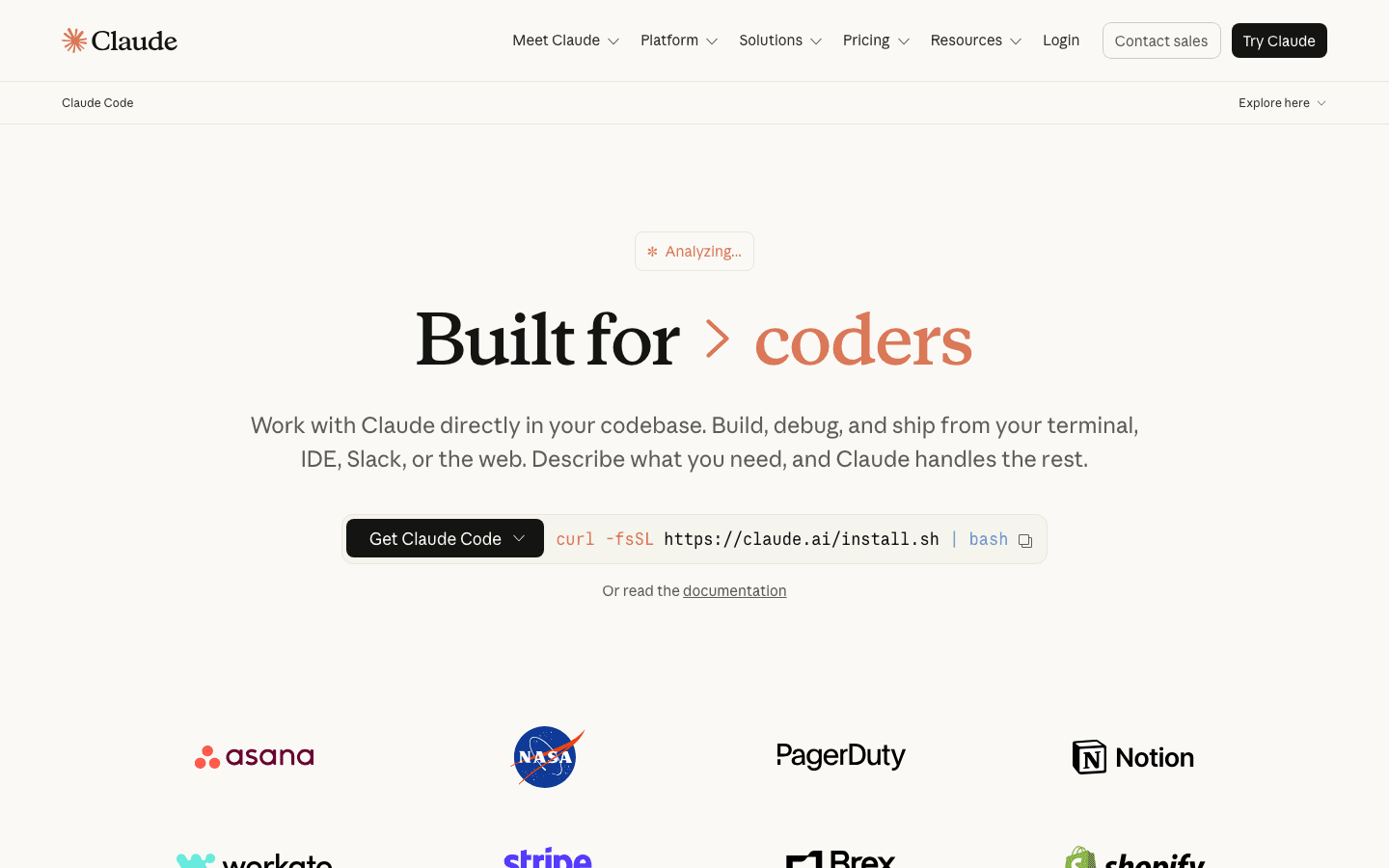
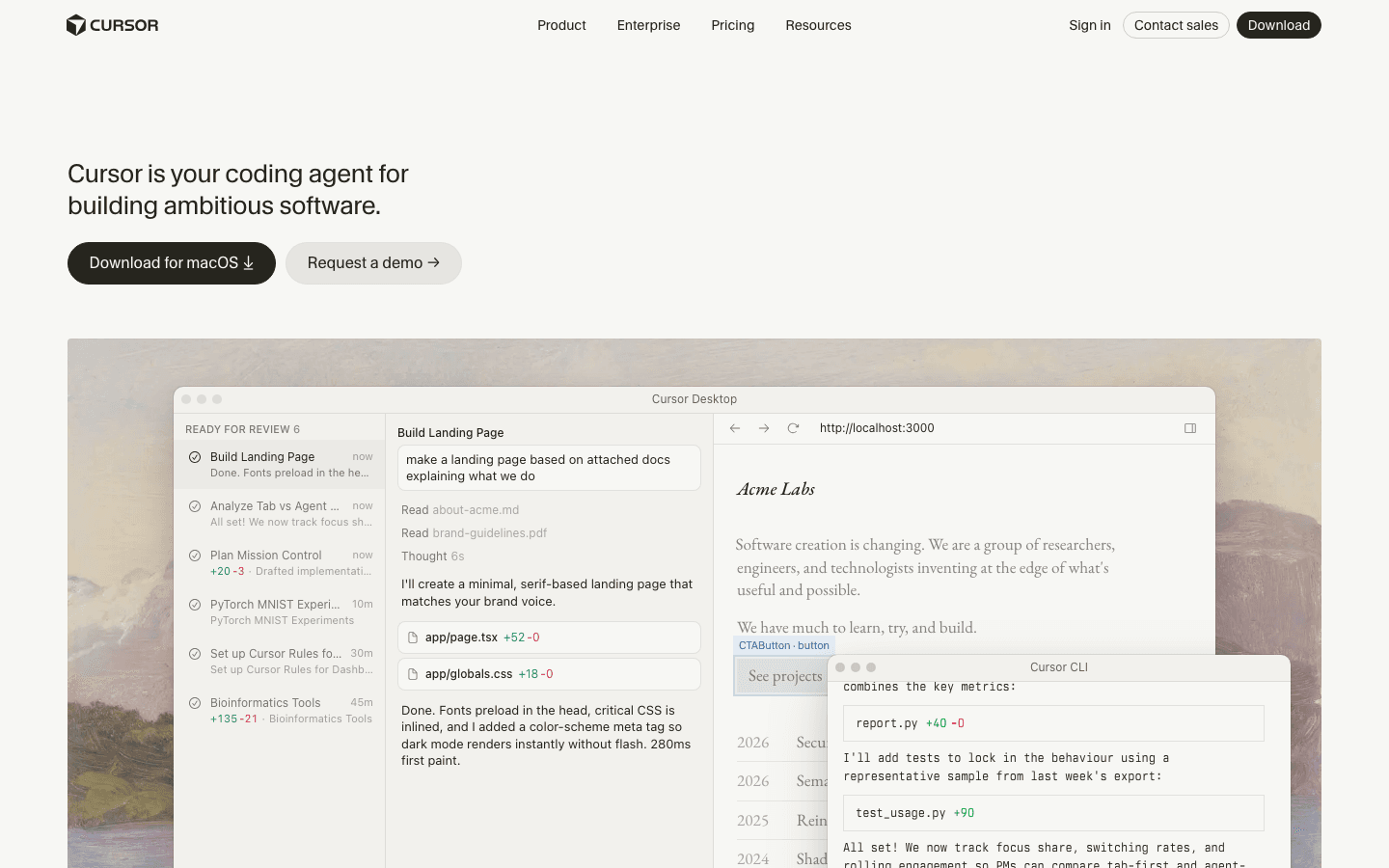
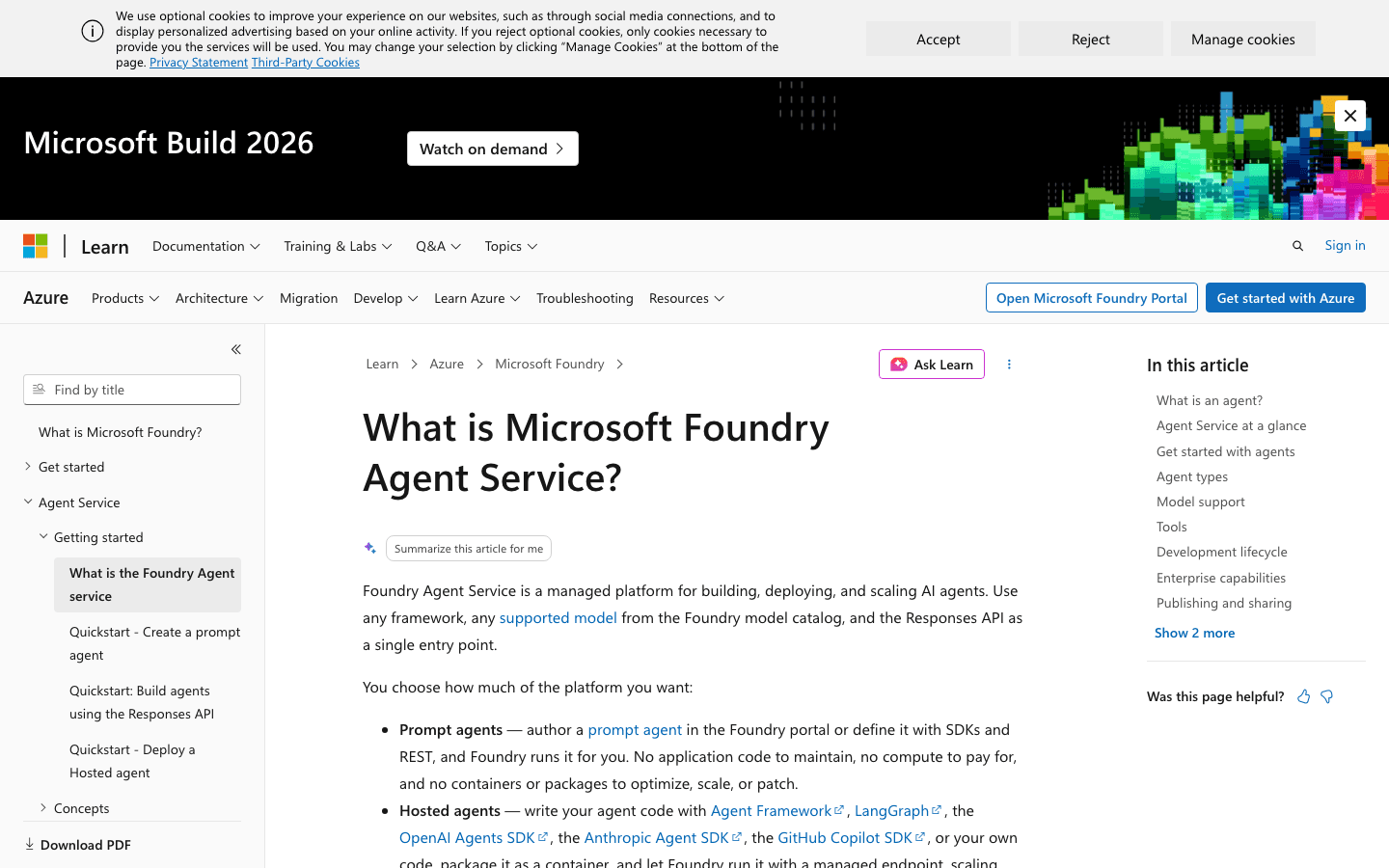
Official snapshots and original scorecards are added to priority reviews so readers can inspect product surfaces instead of reading plain text only.
Browse the directory
Search, filter, then jump into a reviewed tool.
Fresh updates
New guides, comparisons, and AI Briefs. Latest update: Jun 16, 2026.
Featured tools


Latest guide
Latest brief
Popular comparisons
Product surfaces
Screenshots make the reviews easier to verify.
For open source projects, developer tools, and public AI products, we add official website snapshots alongside original notes. They help readers see the real product surface, while the written review explains workflow fit, pricing, privacy, and risk.
A directory is useful only when it helps people choose.
Next Happy AI Tools combines a searchable directory with long-form reviews, buyer guides, comparisons, and weekly market briefs. The goal is not to list every launch. The goal is to explain which tools are useful, who should use them, what they cost, and what risks to check before adopting them.
Decision map
We map each tool to the decision a reader actually needs to make.
Thin directories stop at a logo and a link. Next Happy adds context: what workflow the tool serves, where pricing gets complicated, whether data controls are visible, and which alternatives deserve comparison.
Workflow fit
Use case, audience, setup effort, and daily adoption friction.
Model and output
Model access, source handling, speed, quality, and repeatability.
Pricing reality
Free limits, credits, seats, overages, and business-plan gates.
Privacy and control
Data use, export, permissions, admin settings, and review logs.
Scene-based shortlists
Start with the job, not the logo.
Professional directory sites work best when readers can jump from a real problem to a credible shortlist. These links do that without making the homepage feel crowded.
Coding
Code editors, agents, and review tools for repo-level work.
Research
Search and answer tools that surface sources and citations.
Writing
Drafting and editing tools for content, docs, and brand voice.
Images & Video
Creative tools for production visuals, clips, and campaign assets.
Teams
Rollout-ready tools with controls, pricing, and collaboration fit.
Editorially reviewed, not auto-generated
We publish hands-on AI tool reviews, comparison articles, and weekly briefs. Each page is written for people deciding what to use in real workflows, with pricing, target user fit, privacy notes, and update dates kept visible.
Independent review policy
Ratings and rankings are based on workflow fit, usability, pricing, risk, and update history rather than paid placement.
Privacy and advertising disclosure
The privacy policy explains cookies, analytics, Google AdSense, third-party links, and user choices in one public page.
Corrections are welcome
Every product page has a path for pricing, feature, licensing, and privacy corrections through the contact channel.
Top Rated Picks
Start with a Use Case
Pick the workflow you are trying to improve, then compare tools by cost, privacy, model quality, and how much setup they require. We do not treat every popular launch as a recommendation; a tool only stays in the directory when it solves a clear job for a real user group.
Build and ship code
Compare agentic coding tools, IDE assistants, code search, and production debugging workflows.
Research faster
Evaluate AI search engines by source quality, freshness, citation clarity, and deep research ability.
Create media assets
Choose image, audio, video, and presentation tools based on output quality and commercial usability.
For individual users
We look for useful free tiers, fast onboarding, clear export options, and whether the tool replaces an existing workflow instead of adding another login.
For teams
We check collaboration controls, permission models, workspace billing, data retention signals, and whether the product can be introduced without heavy training.
For businesses
We prioritize reliability, privacy documentation, commercial rights, auditability, integrations, and whether pricing scales predictably as usage grows.
All Tools
23 toolsClaude Code - Anthropic Terminal-Native AI Coding Assistant
Claude Code is Anthropic’s terminal-native AI coding agent that reads entire codebases, plans multi-step implementations, manages Git workflows, and produces production-ready code with ~30% less rework. Powered by Claude Opus 4.5.
Adobe Firefly AI Assistant - Creative Agent
Adobe Firefly AI Assistant is a creative agent that orchestrates multi-step workflows across Photoshop, Illustrator, Premiere, and more — turning natural language prompts into polished designs.
Sourcegraph Cody - AI Codebase Navigator
Sourcegraph Cody is an AI coding assistant that indexes your entire codebase and answers natural language questions with deep cross-repository context. It finds code, explains it, and generates new code with full awareness of your project's architecture.

Continue.dev - Open-Source AI Code Assistant
Continue.dev is an open-source VS Code and JetBrains extension that lets you connect any LLM — Claude, GPT-4, Llama, or local models — to your IDE. It's the BYO-model coding assistant with full data privacy and complete customization control.

Cursor - The Best AI-Powered Code Editor
Cursor is a VS Code fork rebuilt around AI-native code editing. Now at v3 with Composer 2 (in-house frontier model), cloud agents, MCP plugins, and agentic computer control.

DeepSeek-V4 - China's 1M-Context Open-Source Powerhouse
DeepSeek-V4 (April 2026) is a two-tier MoE family: V4-Pro (1.6T/49B active) and V4-Flash (284B/13B active). Both support 1 million token context, MIT-licensed weights, and thinking/non-thinking modes. The most cost-effective frontier model available.

ElevenLabs - Best AI Voice Generation and Cloning Platform
ElevenLabs delivers the most realistic AI voice generation available, with instant voice cloning, multilingual support, and a growing ecosystem of voice tools for creators and developers.

Gamma AI - Turn Ideas into Polished Presentations in Minutes
Gamma AI generates complete slide decks, documents, and webpages from a simple text prompt. Ideal for professionals who need polished presentations without spending hours in PowerPoint.

Grok - xAI's Real-Time Knowledge Model
Grok is xAI's language model with real-time access to X (Twitter) data, offering live news analysis, social insights, and a distinctive personality. Now available at grok.com and bundled with X Premium.

Jasper AI - Enterprise AI Writing for Marketing and Sales Teams
Jasper AI is a purpose-built writing platform for marketing and sales teams, with brand voice training, template libraries, and enterprise-grade collaboration tools.

Krea AI - Real-Time Generative Design
Krea AI is a comprehensive AI creative platform with real-time image/video generation, 40+ model marketplace (Sora 2, Veo 3.1, Kling 3.0), and Astra 2 video enhancement. Its redesigned workspace and Realtime 14B model make it the fastest creative AI suite.

Mistral Large 3 - Europe's Multimodal Open-Weight Frontier
Mistral Large 3 (Dec 2025) is a 675B/41B MoE multimodal model with image understanding, native agentic tool use, and Apache 2.0 licensing. Trained on 3000 H200 GPUs, it delivers frontier-class performance with open-source flexibility.

Notion AI - AI Writing and Knowledge Management Built In
Notion AI brings generative AI directly into your workspace — writing assistance, summarization, brainstorming, and translation across all your Notion pages.

OpenAI Codex - Agentic Coding Platform
OpenAI Codex is a cloud-based coding agent that runs tasks in parallel, reviews pull requests, and generates fully tested code. It goes beyond IDE autocomplete to become an async software engineering team member.

Perplexity AI - The AI Answer Engine
Perplexity AI combines real-time web search with multi-model orchestration. Now featuring Perplexity Computer (agentic workflows), Deep Research with Opus 4.5, and enterprise integrations for Slack and Teams.

Phind - The AI Search Engine for Developers
Phind is an AI-powered search engine built for developers. It understands technical queries, searches across Stack Overflow, GitHub, and documentation simultaneously, and delivers code-ready answers with source citations.

Replit Agent - The AI Software Engineer That Ships Apps
Replit Agent is an autonomous AI software engineer that can plan, build, test, and deploy full-stack applications from natural language prompts. It writes code, debugs errors, manages dependencies, and pushes to production — all within the Replit ecosystem.

Runway ML - Professional AI Video Generation and Editing
Runway ML offers professional-grade AI video generation, editing, and visual effects. Gen-3 Alpha produces cinematic-quality video from text prompts, used by filmmakers and studios worldwide.

Sentry Seer Agent - AI Debugging Agent
Sentry Seer Agent is an AI debugging agent that uses your full production telemetry — errors, traces, logs, spans, and code context — to answer natural language questions and find root causes of production issues.

Suno AI - Generate Full Songs with AI Music
Suno AI generates complete songs with vocals, instruments, and lyrics from a simple text prompt. The v4 model delivers studio-quality music that is reshaping the creative industry.

Vercel v0 - AI-Powered UI Generation
Vercel v0 generates production-ready React components from natural language prompts. Built on top of Next.js and shadcn/ui, it outputs clean, accessible code that drops directly into your project. Now supporting iterative refinement with GPT-4o.

ChatGPT - AI-Powered Conversational Assistant
OpenAI's flagship language model, now powered by GPT-5.5 with 1M+ context, agentic coding, and deep tool integration. The most versatile AI assistant available today.

Midjourney - AI Image Generation Platform
Midjourney creates stunning AI-generated artwork from text prompts. Now powered by V7 with Draft Mode, personalization, and Omni Reference for the highest quality AI image generation.
How to Choose the Right AI Tool
With thousands of AI tools launching every month, finding the right one for your workflow is overwhelming. This directory curates and tests the most important AI tools across coding, image generation, writing, search, video, and productivity categories — so you don't have to. Each tool is evaluated on its core capabilities, pricing, target audience, and real-world performance.
Whether you're a developer looking for the best AI coding assistant, a marketer searching for content generation tools, or a creator exploring AI-powered video and design, our reviews provide side-by-side comparisons, honest ratings, and detailed pricing breakdowns to help you make an informed decision.
If you are new to the category, start with our AI tool guides and comparisons. If you represent a product, use the contact page to submit corrections or review requests.
Our Review Methodology
Every tool in this directory is tested hands-on. We evaluate each product across five dimensions: core AI capabilities (how well does it perform its primary task), ease of use (can a non-technical person get value), pricing fairness (does the cost match the value delivered), privacy and data safety (how is your data handled), and ecosystem integration (does it work with your existing tools). Ratings are on a 1–5 scale based on these criteria. You can read more about the editorial process on our About page.
What Makes a Tool Worth Listing
A product is not added simply because it is new or popular. We look for a concrete use case, enough product maturity for a user to evaluate it today, public pricing or a clear sales path, and evidence that the tool can produce repeatable results. This is why the directory mixes well-known platforms with narrower products that solve a specific workflow better than a general chatbot.
Reviews are also written with trade-offs in mind. A high score does not mean a tool is the right choice for everyone. For example, a professional video platform may be excellent for an agency but too expensive for a solo creator; a writing assistant may be valuable for brand governance but unnecessary for a student. The goal of each page is to help readers rule tools in or out quickly.
We keep legal, privacy, and commercial-use details visible because these are the areas where AI tools create the most real-world risk. When a tool has unclear data handling, weak free-tier value, limited export options, or licensing uncertainty, that affects the verdict even if the generated output looks impressive.
Frequently Asked Questions
What is the best free AI tool for coding?
It depends on your needs. For general coding assistance, Cursor and Continue.dev both offer free tiers that integrate with your existing editor. Cursor is a standalone IDE built on VS Code with AI-native features, while Continue.dev is a VS Code / JetBrains extension. Check our coding category above for detailed comparisons.
Are these AI tools safe for enterprise use?
Each tool review includes a "Privacy & Safety" section where we examine data handling, model training policies, and enterprise readiness. We recommend checking the privacy policy of each tool before using it with sensitive data.
How often are these reviews updated?
We update tool reviews whenever there are major feature changes, pricing updates, or new competing tools launch. Each review shows its "last updated" date so you know how current the information is.
How do you rate AI tools?
We rate each tool on a 1–5 scale across five dimensions: core capabilities, ease of use, pricing fairness, privacy and data safety, and ecosystem integration. The overall rating is a weighted average reflecting real-world usage value, not just feature checklists.